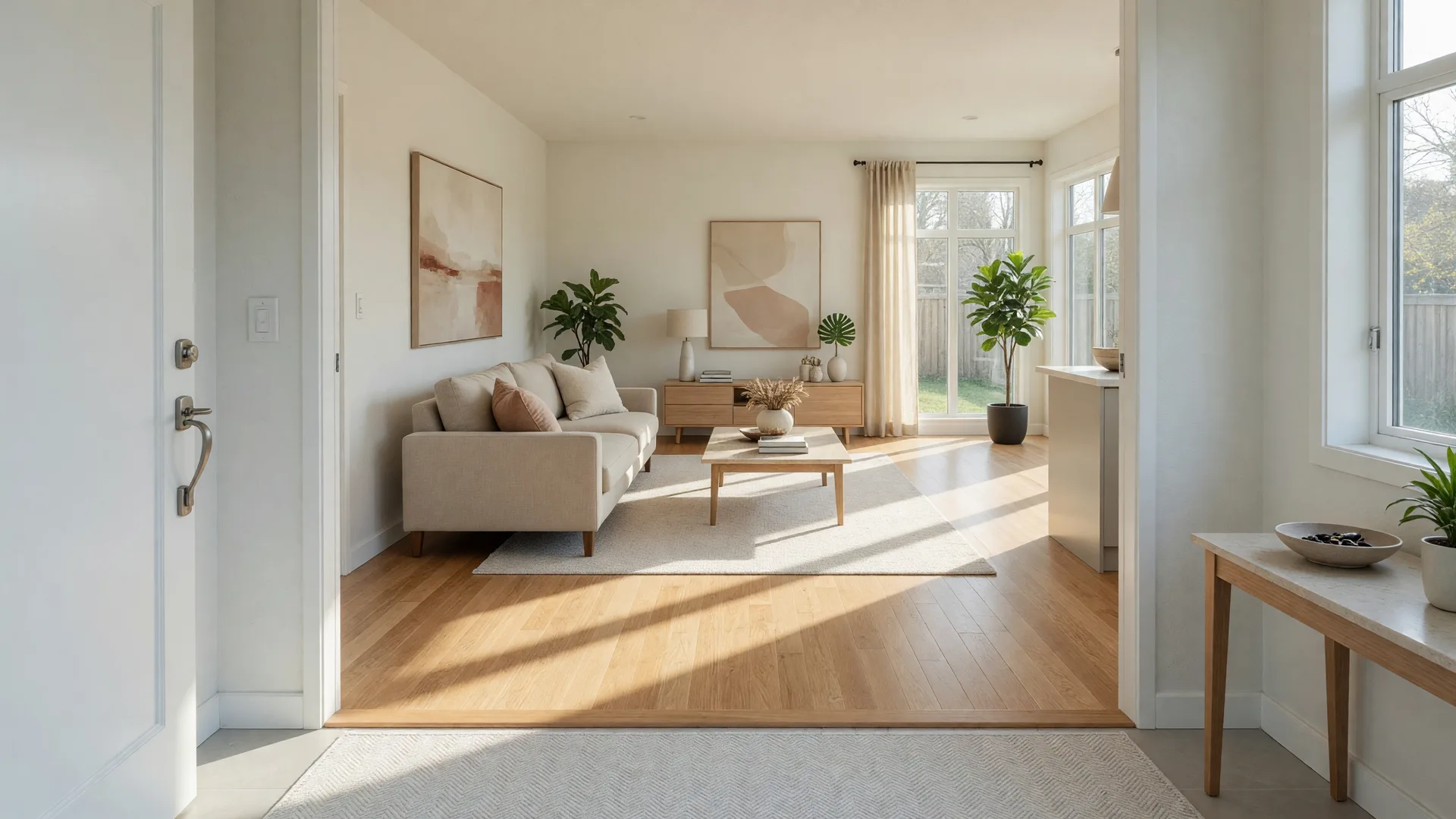
Here is the thing about viewing homes: most people walk in and look at the wrong half of the house. They notice paint colours and light fixtures, which are cheap to change, and they miss the roof and the water stains, which are expensive not to. When you view a home in East Gwillimbury you are not just choosing a house, you are choosing how much work it will ask of you in the first five years. This checklist is how I walk buyers through a home, and it is designed to be useful, not overwhelming.
Look at the Systems Before You Look at the Decor
Ask about the age of the big-ticket items early: the roof, the furnace, the air conditioning, the water heater, the electrical panel. Age is information even when everything looks fine, because a twenty-year-old furnace works today and quits on your second winter. Roof shingles, windows, and insulation are the same conversation. A home is a collection of systems with lifespans, and a viewing is your chance to find out where every clock stands before you own it.
Water Is the Enemy to Hunt For First
Water damage is the expensive one, and it hides well. In the basement, look for staining along the base of the walls, white efflorescence on the concrete, a musty smell, or one freshly painted wall that does not match its neighbours. Outside, walk the grading: the ground should slope away from the foundation, downspouts should carry water clear of the house, and the driveway should not dump rain into the garage. Ask about the sump pump and its history. Water never compromises; it just keeps looking for a way in, and the marks it leaves are the story you want to read at the viewing, not at the inspection a week after your offer.
Then Look at the Land, Not Just the House
The lot is permanent and the paint is not. Stand in the backyard and think about light: which rooms face south, how the sun moves across the yard, and what the neighbours' properties look like from the windows. Listen for noise from the street, and think about parking, both yours and anyone who will ever visit. Walk the fence lines and the property edges so you know exactly what you would own. In East Gwillimbury, and in the villages around it, the balance between house and land is often the whole point of the move, which is why the communities page is a good starting place before you ever book a showing.
Watch for the Signs of a Basement Apartment
A growing share of homes in this area have a basement apartment, legal or not. At a viewing, look for the clues: a separate exterior entrance, a second kitchen or laundry setup, extra electrical or gas meters, and a range vent that runs somewhere unusual. If it looks like there is a unit, ask directly about permits, zoning, and whether it is occupied. The answer changes what the home is worth and what you can legally do with it, so it deserves a straight question, not a guess.
In the Countryside, the Well and Septic Come First
If the home is on a private well and septic system, the viewing is only the beginning. Well records and water quality, the type, age, and maintenance history of the septic system, and how the previous owners looked after them are the questions that matter before you make an offer. The full due diligence list for a country property is exactly what I cover in my guide to buying a rural property in East Gwillimbury, and it applies to a surprising number of homes in Holland Landing, Sharon, Queensville, and Mount Albert where the lots have room to breathe.
See It at Different Times of Day
One viewing tells you about one hour of the day. The house may face west and glow in the afternoon and sit in shadow by morning. The street may hum at rush hour and sleep on a Sunday. If the home is near a school, see the pick-up line once. Light, noise, and traffic are lifestyle facts that no listing photo captures, and they are worth two visits and one weekday drive-by. The homes that still feel right the fourth time you see them are the ones to get serious about.
Ignore the Easy-to-Change Stuff
Paint colours, dated light fixtures, wallpaper, carpet, and even some flooring are cosmetic, and they are the cheapest surprises you will ever fix. Letting a purple bedroom or an old backsplash scare you off a well-priced home is how buyers overpay for the next house instead. The list that matters is the one you cannot fix for a weekend and a hundred dollars.
Keep the Price Conversation Running
While you are falling in love with the layout, keep the market data in the other hand: what comparable homes have actually sold for, how long this one has been listed, and whether the price history tells a story. Days on market and past price changes are information the listing does not volunteer, and I show buyers how to read them in my article on what a stale listing tells a buyer. A great viewing that ignores the price is how people buy the wrong home at the wrong number.
Bring Someone Who Has Seen a Thousand Basements
That someone is your agent. I have walked through homes of every age and condition in this area, and I know which findings matter and which ones are simply normal for the neighbourhood. The home inspection comes after the viewing for a reason, and I walk through what the inspection will actually cover in my buyer's guide to the inspection, but the viewing should already have you asking the smart questions. If you are starting your search in East Gwillimbury, let's set up your first visits together. I keep the pace yours, I answer the questions nobody else does, and I make sure the checklist gets followed at every single door.
Thanks, Lee :)