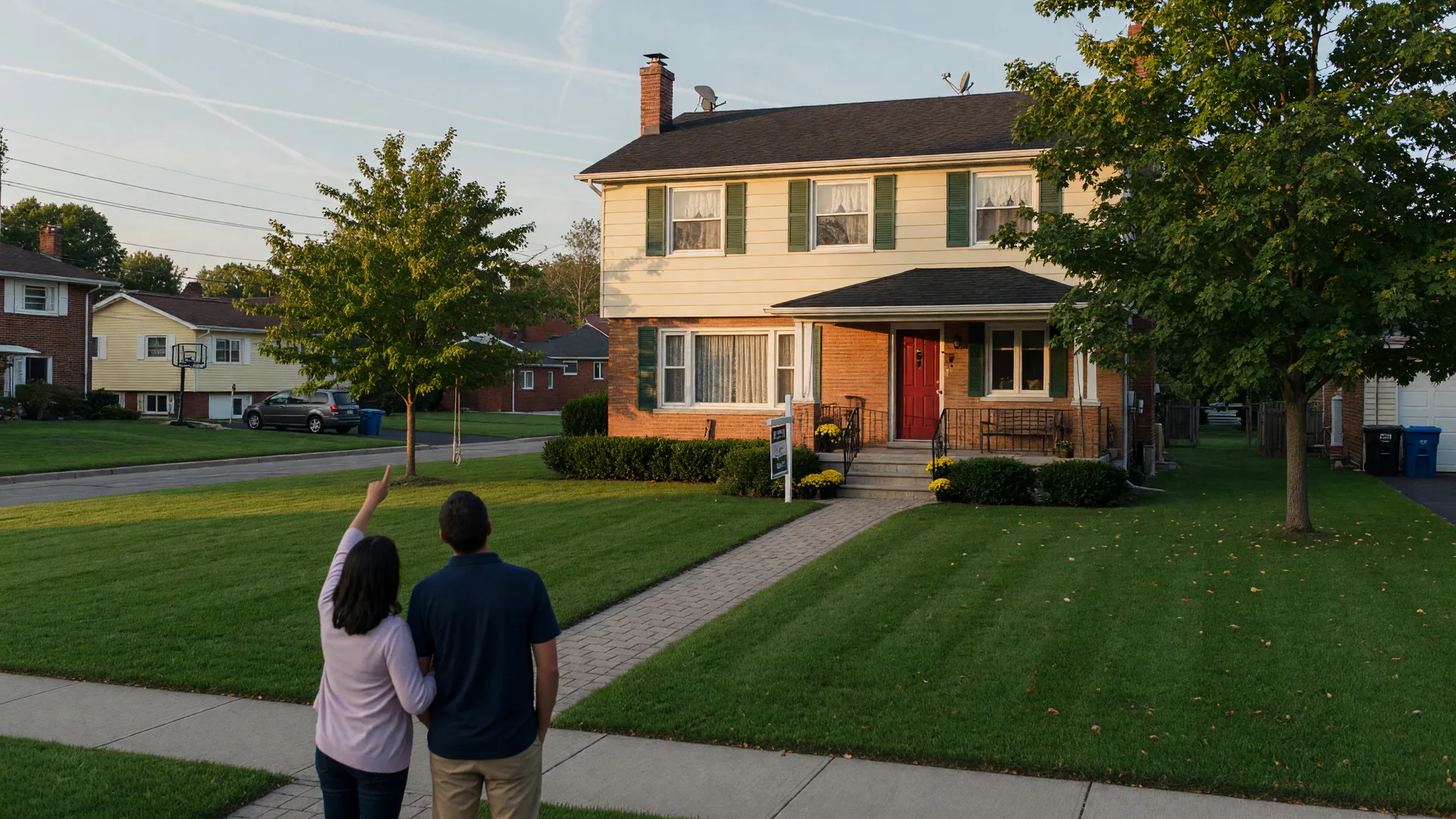
When a home has been on the market for a while, buyers tend to assume something is wrong with it. Sometimes that is true, but often it is not. A stale listing is information, and a buyer who can read it correctly can find a genuinely good home at a genuinely better price. This article explains how to read days on market and price history, what they tell you about the seller's position, and how to tell an opportunity from a problem.
First, Understand What "Stale" Means Here
Every market has a baseline. In East Gwillimbury, the typical home has been selling in about 25 to 29 days at around 112% of asking, per the most recent TRREB data through summer 2026. In that context, a home at 45 days is simply a little slow. A home at 90 or 120 days with price drops in its history is a different story, and that is where the opportunity or the problem lives. The East Gwillimbury market page gives you the local baseline for context.
The same number means different things in different places. A rural property with a well and septic, or a unique acreage, naturally takes longer than a standard subdivision home, because the buyer pool is smaller. A condo in Newmarket compares to condos, not to detached homes. Read every days on market figure against the right baseline, or you will misread the whole story.
Read the Price History Like a Document
The listing history tells you how the seller has reacted to the market. A home listed once at a realistic price that simply needed a longer window is one thing. A home listed high, reduced once, reduced again, then relisted with a different agent tells you the pricing strategy failed and the seller may be getting tired. Neither is automatically negative. What matters is where the price sits now relative to what comparable homes have actually sold for.
That comparison is the whole game. A price drop is only interesting if the new price is genuinely below where similar homes have sold. If the list price now reflects reality, you may be looking at a motivated seller and a fair deal. If the price is still above comparable sales, the listing may keep sitting, and your offer needs to say so. Sellers of stale listings are usually more open to negotiation, but the offer still has to be built on comparable sales, not on the assumption that they will take anything to end the process.
Why Homes Sit: The Buyer's Version of the Same Four Causes
On the seller side, a listing stalls for one of four reasons: pricing, condition and presentation, marketing reach, or negotiation and offer management. I break down all four here, from the seller's perspective. As a buyer, you read the same four causes in reverse.
A pricing problem can be your opportunity: a good home in a good neighbourhood that was simply launched too high. A presentation problem means either a chance to buy a home at a discount and add your own value, or a sign of deferred maintenance, and you need a thorough inspection to tell the difference. A marketing problem is pure opportunity, because the home may be perfectly fine and simply never reached its audience. A negotiation problem means the seller may be ready to deal, but it can also mean the process was mishandled, so make sure timelines and conditions are handled cleanly in your own offer.
How to Tell an Opportunity From a Money Pit
The inspection is where the difference shows up. A home that is sitting because of price will inspect like a normal home. A home that is sitting because of condition will show you the reasons in the basement, the roof, the windows and the mechanicals. Never let the length of time on market do the inspection's job. A two-year-old roof and a clean furnace are facts; a long listing is only a clue.
Also ask why nobody has bought it yet. That question is free and the answer is often simple. Sometimes the answer is romantic but real: the home is one of those that photographs poorly and shows beautifully, and you have found the gem everyone walked past. Sometimes the answer is practical: the lot backs onto something, the layout is awkward, the price never matched the reality. There is a good deal in most of those answers, as long as you price the trade-off into your offer.
Making an Offer on a Sitting Listing
A stale listing makes some buyers bold and others suspicious, and both instincts are wrong in their extremes. The right approach is the same as any offer: build it from comparable sales, protect yourself with the right conditions, and communicate clearly. With a sitting listing you can often negotiate on closing date, inclusions, or conditions in ways a hot multiple-offer situation would never allow, and those can be worth more than the price itself.
If you are buying in York Region this fall and want someone who has actually negotiated on both sides of stale listings for 19 years, that is what I do every day. I have sold more homes in East Gwillimbury than any other Realtor over the past 10 years, and I can tell you which sitting listings are worth a second look and which are waiting for someone else to buy the problems. My buying guide covers the full process from search to closing.
Read the Story Before You Write the Offer
A stale listing is not a red flag, it is a story, and stories can be read. Days on market tells you the pace, the price history tells you the seller's journey, and comparable sales tell you the truth. Put those three together and you will know exactly what the home is worth to you, which is the only number that matters when you write the offer.
Thanks, Lee :)