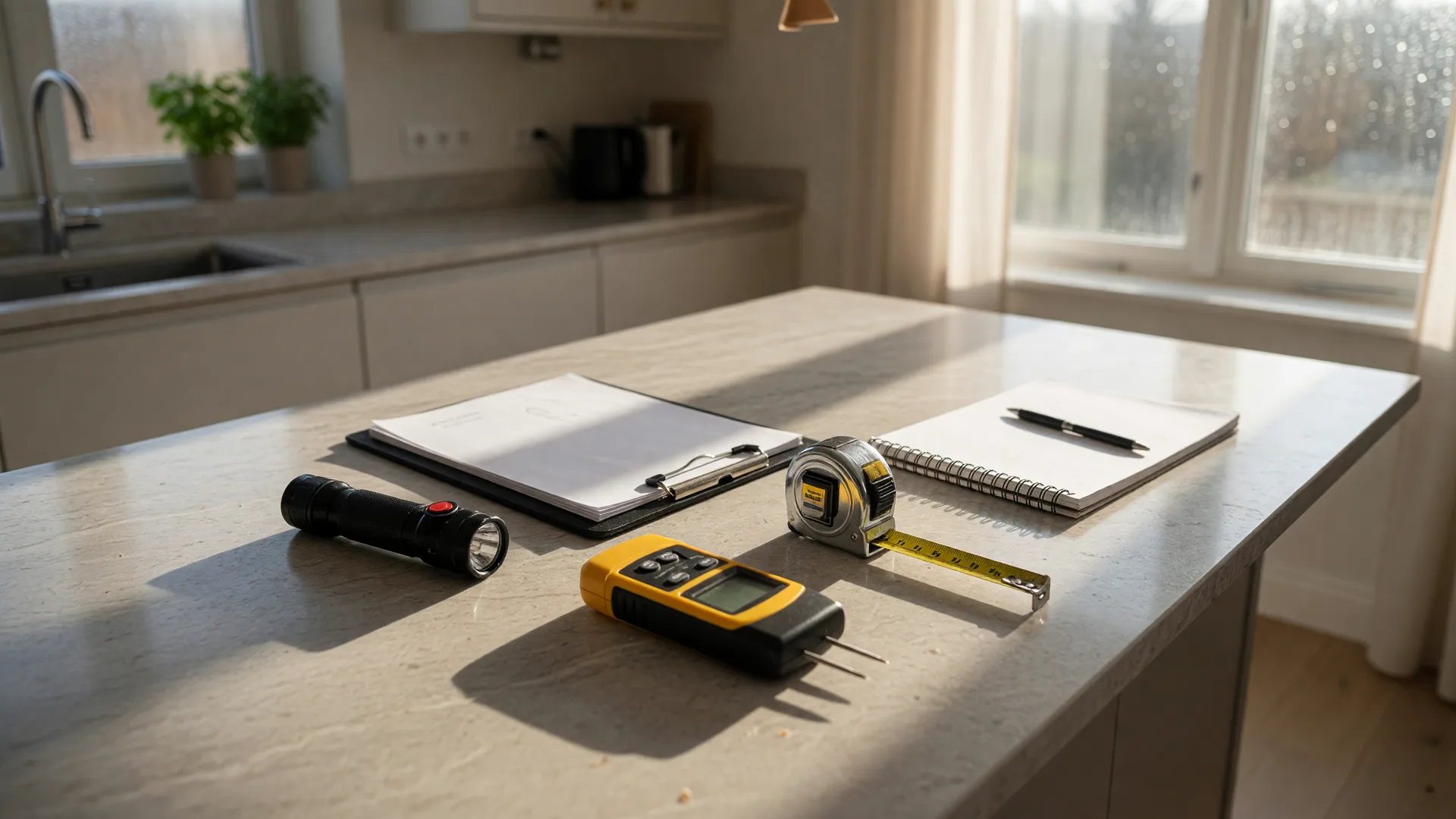
Of all the steps in a home purchase, the inspection is the one buyers get wrong in opposite directions: some treat it as a formality and skip the important parts, and others treat every finding like a deal breaker and talk themselves out of a perfectly good home. The truth is in between. A good inspection is your chance to look under the hood before you commit, and knowing how to read the report is a skill you can pick up faster than you think. Here is what actually matters.
What the Inspection Covers
A general home inspection walks through the structure and the systems: the roof, the foundation, the framing, the electrical panel and wiring, the plumbing, the heating and cooling, the windows, the insulation, the basement, and the grading around the foundation that keeps water moving away from the house. A thorough inspector will spend hours on a home and come back with a report that documents what they could see and test on the day.
It does not cover everything, and no inspector can promise a home is perfect forever. What hides behind walls, at the bottom of a chimney flue, or underground is generally outside the scope of a standard inspection, and some things need a specialist's tool. That is not a flaw in the process; it is simply where the inspection ends and your own questions begin. Go to the inspection if you can, ask your questions in person, and read the full report rather than the summary. The best insight is usually in the inspector's comments, not the checklist.
Country Homes: the Well and the Septic Change Everything
East Gwillimbury is half countryside, and a rural home runs on systems a townhouse never thinks about: a private well and a septic system. Those get their own attention: a water test to confirm the well is producing safe, potable water, the well records to see its history, and a thorough look at the septic system, because replacing one is a serious expense. The villages of Sharon, Queensville, Mount Albert and Holland Landing mix village services with rural pockets, so the list of checks depends on the exact house, and that is precisely what a local agent should walk you through. I lay out everything to ask for in my guide to buying a rural property in East Gwillimbury.
Reading the Report: Maintenance Versus a Real Problem
This is where buyers panic, and where an experienced agent earns their keep. A report from a thorough inspector lists everything, and that includes the nice-to-fix list: a sticky window, an older water heater, a worn shingle on the roof, a tap that drips. That is normal, it is age-appropriate on most of the homes people buy here, and it tells you very little about whether the house is a good buy.
What matters is the short list of real issues: foundation movement, active leaks, an obsolete electrical panel, a failing furnace, evidence of past water entry that was never addressed. Learn to separate the two lists and you keep your negotiating power and your sanity. The one-page summary most inspectors provide is a starting point; the details in the body of the report tell you which findings are honest maintenance and which are genuine concerns.
Negotiating After the Inspection
Once the report is in, the standard moves are a repair at the seller's cost before closing, a credit at closing, or a price adjustment, and for the rare serious problem, an early exit from the deal if the terms allow it. Reasonable requests get reasonable responses, and requests driven by the report carry real weight. What does not help anyone is a kitchen sink list of ten-dollar items attached to a home that was priced fairly in the first place; sellers see it for what it is, and it sets the negotiation off on the wrong foot.
This is where my advice on buying matters most. I can tell you which findings will genuinely move an East Gwillimbury seller, which ones are custom for the area, and which ones are worth leaving alone, because I run negotiations like this in these towns constantly. The goal is a fair result from the report, not a wounded deal.
How I Help Buyers Through the Inspection
On my side of the process, you get three things. First, referrals to inspectors who actually crawl the crawl space and test the well, not order-takers with a camera. Second, a working knowledge of what the report found, because I will sit down with you and flag what matters rather than leave you to Google every line. Third, someone to handle the request to the seller for you, so you never feel awkward asking for something fair.
Buying a home is enough of an education on its own, and the inspection should be the part that gives you confidence, not a new list of worries. If you are looking in East Gwillimbury and want someone who knows the homes here well enough to tell you which findings matter, start with the East Gwillimbury buyer's picture and then let's talk. Nearly two decades in, I have walked buyers through plenty of these reports, and I am happy to guide you through the next one.
Thanks, Lee :)