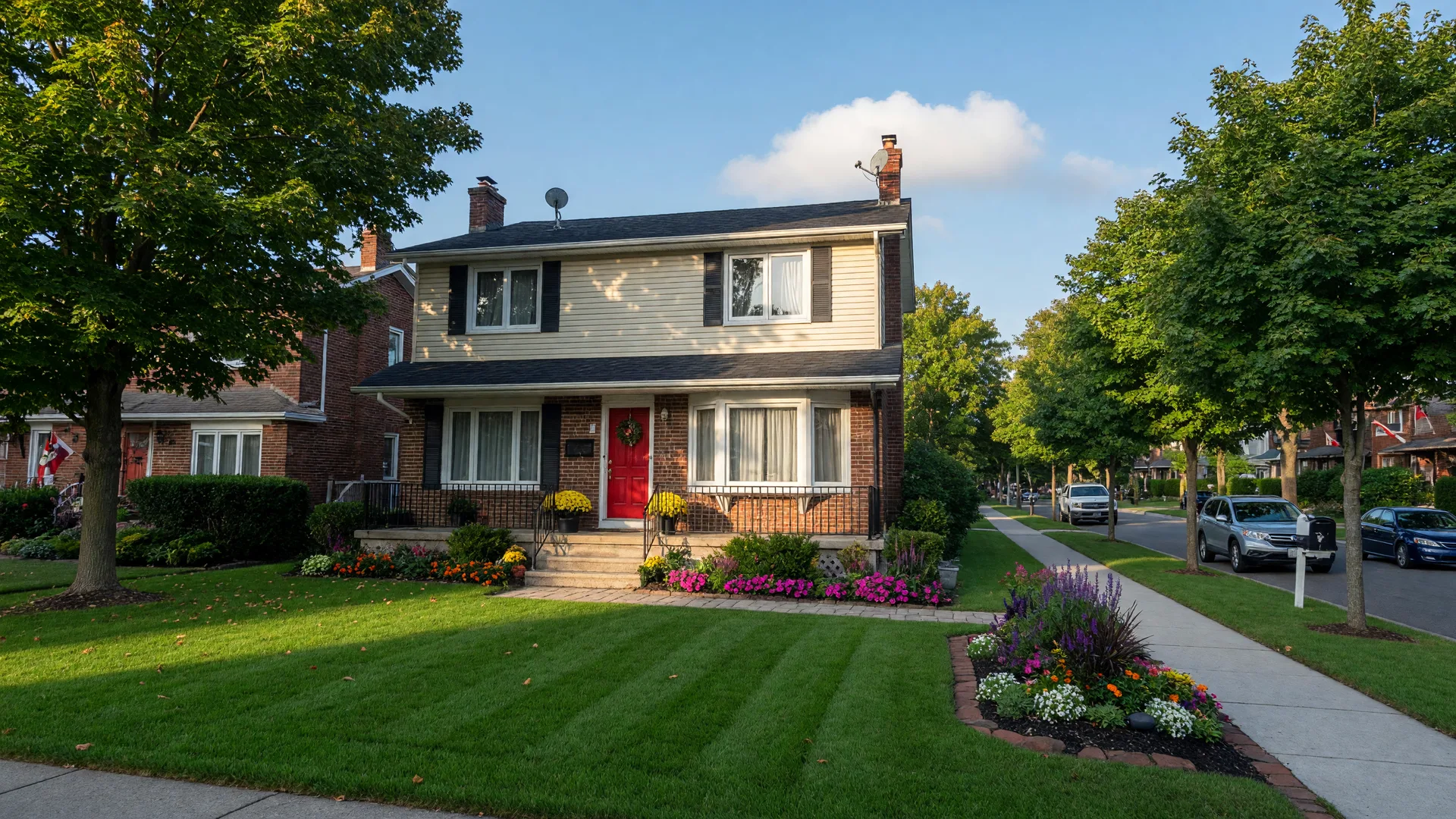
Every week I watch two nearly identical homes on the same street go to market at the same time. One draws multiple offers and is under contract in days. The other sits for months, gets a price reduction, and ends up selling for less than the house that sold quickly. The gap is not luck, and it is not the market. It is how each home was priced, prepared, launched and marketed. This article explains what separates them, so you can make sure your home lands on the right side of that line.
The Launch Sets the Ceiling
Interest in a new listing peaks in the first two weeks. Buyers who are actively searching, the agents who serve them, and the algorithms that feed them all treat a fresh listing as news. That first wave is your best and cheapest marketing, which is why everything about the launch matters: the price, the photography, the description, the timing, even the day of the week the sign goes in the ground. A home launched without preparation spends its best weeks learning lessons it could have learned before going live. I break the full launch playbook down in this guide to the first 30 days of a listing.
Price Is the Magnet
Buyers search by price range, and they compare relentlessly. A home priced just above what the evidence supports is not "starting high." It is invisible: it does not appear in the searches of the buyers who would love it, and the buyers who do see it scroll past. The fast-selling homes I see are priced from sold comparables, the actual prices similar homes in the same pocket of Queensville, Sharon, Mount Albert or Holland Landing closed at in the last 90 days, not from what the seller hopes for or what the neighbour listed theirs at. Sold prices are the truth; asking prices are advertising. If you suspect price is your problem, the three signs of an overpriced home are spelled out here.
Presentation Speaks Before the Door Opens
Buyers make their first judgment in seconds, from their phone, from the photos. A cluttered room, dated fixtures, stained carpet, or simply dark photography tells them the home has not been cared for, and they assume a discount before they ever walk in. Presentation is not about spending on a full renovation. It is about neutral paint, edited furniture, cleared surfaces, bright photography and a home that reads as ready to move into. The homes that sell fast look cared for in the photos and feel cared for in person. My preparation checklist for getting showings goes through it room by room.
The Marketing Reach Nobody Sees
Being listed is not the same as being marketed. A home that is properly marketed is syndicated everywhere buyers actually look, photographed like a listing, not a snapshot, and pushed through the channels that reach the right buyer profile for that property: a Sharon estate, a Holland Landing river bungalow and a Mount Albert acreage each attract a different audience. Fast-selling homes get the audience they need, not just a listing number. If you are not sure whether your marketing is doing anything, the questions in this article will tell you fast.
What I Watch in the First Week
Here is the practical part. Within the first week of a launch I am already reading the signals: how many showings were booked, what open house traffic looked like, and most importantly, what buyers' agents said after the tour. The feedback is usually honest even when it is quiet. Comment after comment about price tells you something no amount of patience will fix. Comments about condition tell you the presentation missed. No comments at all tell you the marketing never reached the right people. Read each signal honestly and you know what to adjust, and you know it early, while momentum can still be saved. This is exactly the situation I wrote about for sellers getting showings but no offers.
How I Do It Differently
I have been doing this since 2007, and my approach has not changed because the market changed: price from evidence before the sign goes in, prepare the home so it photographs and shows like a listing, not a project, launch with real marketing reach, and stay in constant communication with the seller so no week passes unexplained. When offers come, I manage them with skill, comparing terms, conditions and buyers, not just numbers. No plan survives perfectly, but when a listing needs adjusting, we adjust quickly and honestly, because waiting is the most expensive decision in real estate.
I have sold more homes in East Gwillimbury than any other Realtor over the past 10 years, so I have seen this pattern play out hundreds of times, in every price range and every pocket of the town. The East Gwillimbury market page shows the fuller picture of supply and demand here. If your home has been sitting while others sell, do not assume the market has turned against you. Diagnose the launch, fix what the feedback is telling you, and give the home a real second chance.
Thanks, Lee :)