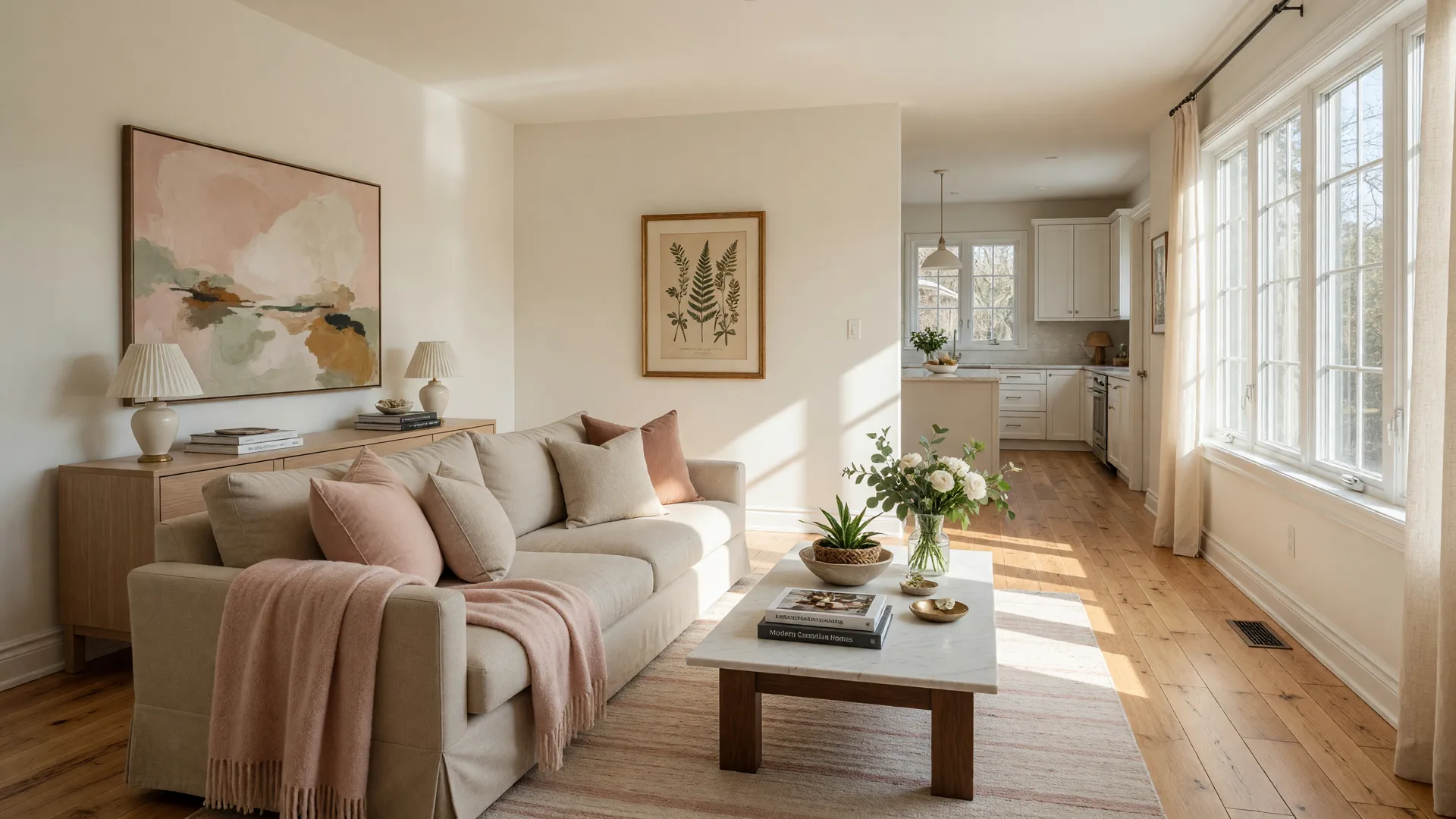
When showings dry up, sellers understandably wonder if the market has turned or their price is too high. Sometimes those are real factors. But more often than not, the answer is simpler and more fixable: the home is not creating curiosity. In 2026, buyers decide in seconds from their phone, and if the photos, the condition and the curb appeal do not make them want to see more, they never will. This is the checklist I would run through with you, room by room, before the sign goes on the lawn.
Why Showings Are the Whole Game
Think about how buying works now. A buyer sets a search, scrolls listings, and books a showing only for the homes that made them curious. The photos and the first few lines of the description decide that. A buyer is not comparing your home to its potential, they are comparing it to the other six listings in their search results, and whichever ones look brightest and most welcoming win the appointment. If your listing is not getting showings, this is where the leak usually is.
The Online First Impression
Professional photography is not a luxury line on a marketing budget, it is the showings themselves. A good photographer knows how to make rooms look bright and spacious during the golden hours of light, and those photographs travel everywhere: the portals, social media, the agent's network, the printed pieces. Add a floor plan so buyers can picture the flow, and short video if it makes sense for the home. Amateur photos from a phone taken at 5 p.m. in February will cost you more than the photographer ever would.
Before the shoot, the rooms have to be ready: surfaces cleared, beds made, toys and clutter out of frame, lights on, and every room edited so the space, not the stuff, is the subject. The best camera in the world cannot photograph a cluttered counter into an invitation.
The Curb Appeal Test
Buyers drive by before they book, especially for homes in the $800,000 to $3 million range that matter in East Gwillimbury. Stand at the end of your own driveway and look at the house as a stranger would. Is the lawn cut and edged? Is the front door the feature it should be? Are the windows clean, the walkway swept, the porch clear? Curb appeal is not vanity. It is the first sentence of the story your house tells, and a buyer who sees a neglected exterior assumes a neglected interior, even when the interior is perfect.
The 15-Minute Walk-Through Test
Walk through your own home the way a buyer's agent would: front door, main floor, kitchen, bedrooms, basement. Notice what you have stopped noticing. The scuff on the baseboard, the cracked caulking around the tub, the light switch cover that never got replaced, the closet that is doing double duty as storage. Buyers interpret small neglect as a preview of big neglect. None of these things are expensive to fix, and together they change how the whole home reads.
Smell matters more than sellers expect. Pet odours, cooking smells and damp basements are instant deal-breakers that no photograph can fix. Open windows before showings, launder soft furnishings, and if a smell is lingering, find the source rather than covering it.
Small Repairs, Big Signals
Fix what a home inspection will flag and refresh what a buyer will see. Dripping faucets, sticky doors, burned-out bulbs and a dated kitchen faucet are all small, visible, and cheap. Fresh paint in a neutral palette on the main living areas is the highest-return cosmetic investment most sellers can make. You do not need a full renovation before selling; in fact, renovating to your own taste before selling often does not pay for itself, because the next buyer wants their own taste. Clean, neutral, current and well-maintained wins every time.
If you want certainty about what will come up later, a pre-listing home inspection is the smart money. It tells you what the buyer's inspector will find, so you can fix it on your terms, before it becomes a negotiating chip at the offer table.
What I Do Before a Listing Goes Live
This is not a checklist I hand you and walk away from. My process starts with a walk-through together so I can tell you, honestly and specifically, what to tackle. Then I coordinate the staging consultation, the professional photography, the floor plan, and, where it is warranted, the pre-listing inspection, in an order that makes sense, so the home launches finished, not half-done. My selling process page walks through the whole plan, and if pricing is part of the picture too, this guide to the signs your price is off is worth a read.
If showings have already slowed on your current listing, the same checklist applies in reverse: fix the handful of things that are working against you, refresh the photos if the house has changed, then relaunch with a clear plan and new momentum. I have prepared homes in every corner of this town, from Holland Landing to Mount Albert to Queensville, and I have sold more homes in East Gwillimbury than any other Realtor over the past 10 years. The pattern that works is always the same: a home that looks ready is a home that gets shown.
The Preparation Payoff
Showings are earned before the first appointment is booked. They are earned in the photographs, the curb appeal, the condition and the preparation. Go through this checklist with fresh eyes, spend a weekend or two doing the small things that compound, and watch what happens to the appointment calendar.
Thanks, Lee :)