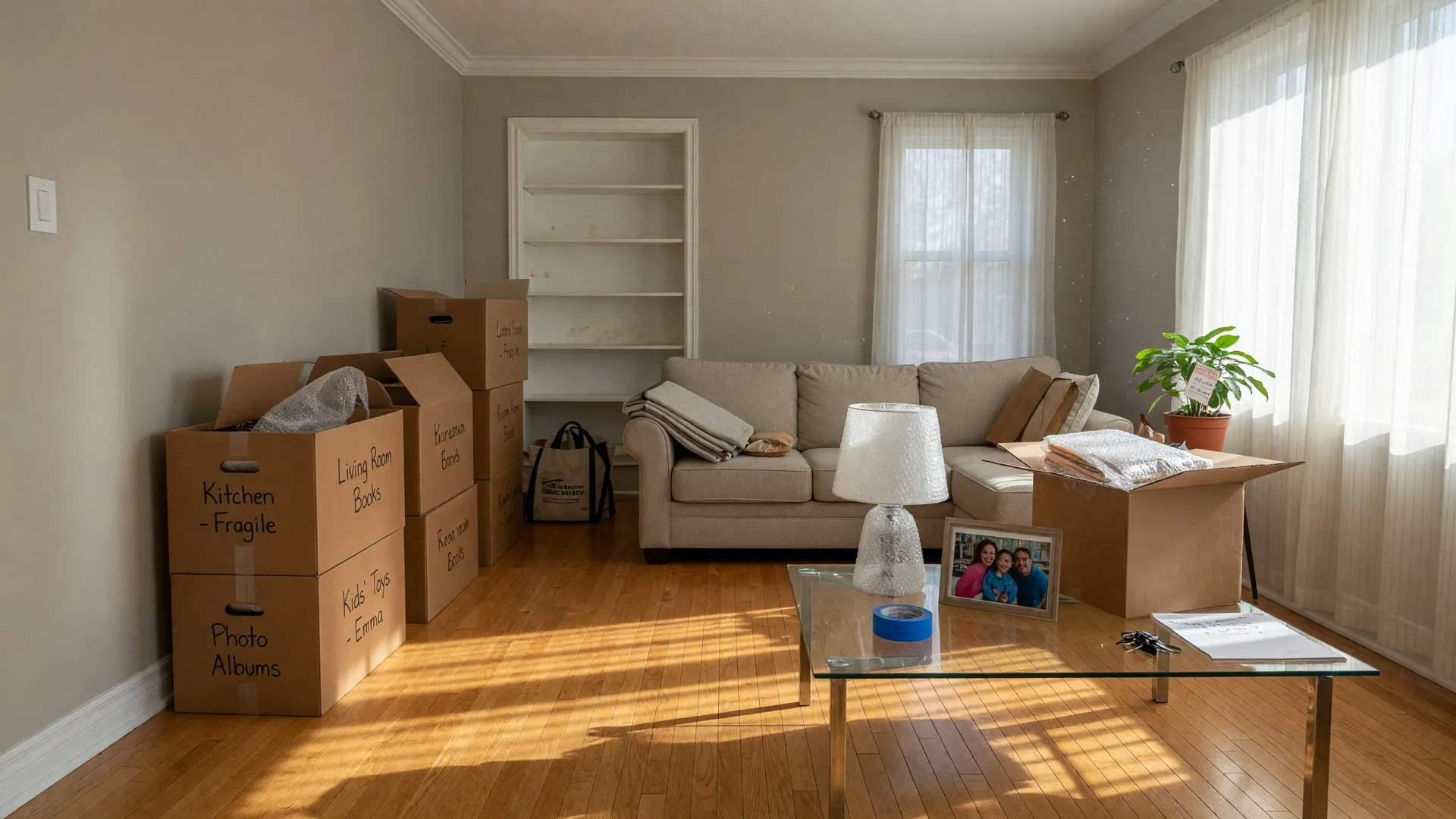
If you have made the decision to downsize and the family home is not selling, I know exactly how that feels, because it is the single most common thing that keeps empty nesters stuck. The sale is the lock, and everything else, the move, the bungalow or condo you want, the equity you are counting on, is waiting behind it. Here is the honest truth: a family home that sits in this market is usually sitting for specific, fixable reasons, and there is a plan that gets the sale moving without giving the place away. This article walks through it.
Why a Family Home Sometimes Sits
In my experience, when a downsizer's home sits, it is almost never the market. It is one of three things. The first is price: the number on the listing is what the house was worth a few years ago, or what the seller needs to make the next move work, rather than what comparable family homes in the area have actually sold for recently. The second is presentation: a home lived in by a family for decades, with years of photos, furniture and clutter still in place, does not photograph the way a home staged for the family-buyer market does. The third is the emotional side: when you have raised your kids in a house, an objective conversation about its price can be genuinely hard, and some sellers hold a number because letting go at "less" feels like losing the house twice.
None of those is hopeless. But all three need to be named before anything changes. If your listing is sitting and you are not sure which one applies, my article on the real reasons a listing sits walks through the diagnosis in detail, and it applies across East Gwillimbury and York Region.
What Waiting Actually Costs
The longer the family home sits, the more it costs you, and the cost is not just the mortgage and property tax you keep paying. It is the downsize that is on hold, the life you are trying to move toward, and the slow erosion of negotiating position that every listing feels the longer it stays up. The stale listing problem compounds: buyers read days on market, and a home that has been up for months is assumed to have a reason, which makes the next buyer's offer more aggressive. I break down what 60+ days on market actually costs here. The point is not to scare you, it is to explain why waiting for a price that may not come is the more expensive choice.
The Plan That Gets You Unstuck
Here is the plan I work through with downsizers whose homes are sitting, and it works because it separates the decision from the emotion.
Step one: set the number from the evidence. Pull the actual sold prices of comparable family homes in your pocket over the last 90 days, not the asking prices of homes still listed, and not what you paid in 2008 or what you need for the next place. Sold prices are the truth. Once the number is on the table from the evidence, it is no longer personal, and you can make a decision about it instead of fighting about it. I explain the whole method in how I actually price a home.
Step two: prepare for the buyer, not for the life you had there. Your buyer is a young family, and they are comparing your home to other family homes. That means neutral, decluttered, bright, and ready to move into. Decluttering is hard when a house holds forty years of memories, and that is exactly why it so often gets skipped. It is also the single highest-leverage thing you can do, both for the sale and for your own move, since you have to pack it all eventually anyway. My preparation checklist covers what earns a showing in the first place.
Step three: decide sell-first or buy-first honestly. For many downsizers, selling first is the clean move, because it releases the equity you need and lets you buy from a position of strength. But if you are worried about finding the right bungalow or condo, buying first with a condition on your sale, or with bridge financing, can work too. The trade-offs matter and they are not obvious. This article walks through buy-first versus sell-first honestly, and it is written for exactly your situation.
Step four: give the relaunch a real window. If the home has been sitting, do not just lower the price and keep waiting. Fix the presentation, reset the price from the evidence, take new photos, and relaunch as a fresh listing with a plan and a timeline. A relaunch changes the conversation. Then hold the line through that window with communication, showings and feedback, rather than letting the listing drift for another three months. The step-by-step relaunch plan is here.
The Downsize Side of the Equation
While the sale is getting sorted, it helps to know what you are moving toward. The downsizing options across East Gwillimbury and York Region are real: bungalows, condo-townhomes, and lock-and-leave condos that suit a different chapter of life, many of them close to the things you actually want to be near. I walk through the full picture, including the equity math, in my downsizing guide for Newmarket and York Region. Knowing your destination makes the decision about the family home easier, because you are not selling out of a house, you are selling toward a plan.
The Bottom Line
A family home that has not sold is not a reason to abandon your downsize. It is a reason to run the plan above, honestly and without the emotion. I have helped downsizers in this exact position for 19 years, with 700+ homes sold across my broader service area, and I have sold more homes in East Gwillimbury than any other Realtor over the past 10 years. The sellers who get unstuck are the ones who stop waiting and start working the plan. If you would like a straight, no-pressure read on your family home and your downsize, that is exactly the conversation I love to have. My selling process page shows how the whole thing works from day one.
Thanks, Lee :)