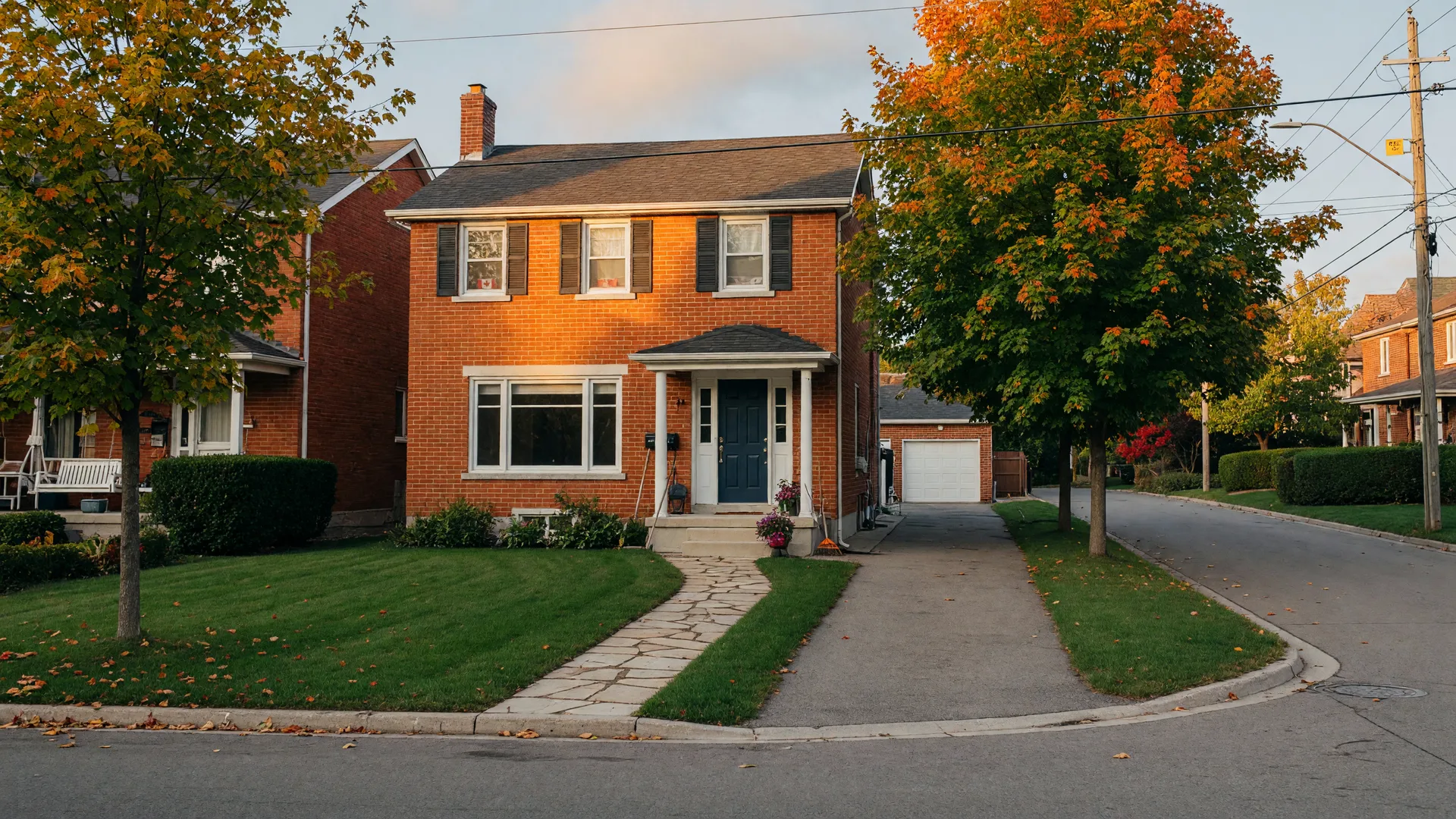
A price reduction is not a sign that you failed, and it is not a decision to make on pride. It is a marketing move that should be timed and sized like every other decision in a sale. The question is never simply "should I lower my price?" It is "what is the evidence, what will the market do in response, and is now the moment?" This article walks through that decision honestly so you can make it with clear eyes instead of guesswork.
A Price Change Is a Signal, Not Just a Number
Buyers and their agents watch listing history. When a price drops, the market reads it as information about the seller and about the home, whether anyone says so out loud. A modest, confident cut can say "this seller is serious and reasonable." A large or repeated cut can say the opposite, that the seller is stuck or the home has a problem. So the way you reduce, and how many times you do it, matters almost as much as the new number itself.
That is why I want you to stop thinking of a price reduction as "admitting defeat." Framed properly and timed properly, it is the single most effective tool for getting a stalled listing moving again. The mistake is doing it too late, by too little, or with no plan behind it.
Why Homes End Up Needing One
In almost every case a home that needs a price reduction was priced ahead of what comparable sales support from day one. Buyers search by price range and compare constantly. When your asking price sits above the reality of recent sold homes in your part of Queensville, Sharon, Mount Albert or Holland Landing, the buyers who would love your house never see it as an option, and the ones who do scroll past it. I explain the full set of reasons a listing sits, including pricing, in this diagnostic guide, and I cover the three specific signs your home is overpriced here.
The uncomfortable truth is that most of these homes did not need to get to this point. A home priced from evidence on day one almost never needs a correction later. But if you are already here, the question is what to do now, and that depends on the evidence in front of you.
The Real Trade-Off: Carrying Costs Against the Cut
Here is the math every seller should run before deciding. While a home sits, you keep paying the carrying costs: the mortgage, the property tax, the insurance, the utilities, and often a second set of housing costs for the place you have already moved on to. Every week on market eats into the equity you are trying to protect.
Now compare that to the alternative. A price reduction that is too small to matter is often followed weeks later by a second one, and the home loses two rounds of fresh momentum instead of one. A single, decisive, evidence-based cut usually costs less in the end than months of slow erosion, and it resets the listing so a whole new group of buyers sees it at the top of their search. That is the trade-off. The question is whether the reduction is big enough to actually change the outcome, and whether you make it once rather than bleeding it out.
How to Decide: Read the Evidence, Not the Hope
Before you cut anything, gather the facts:
- Showings. Are buyers coming through? If yes, the marketing and presentation are working and price is the likely obstacle. If no, look at condition and exposure before you blame the number.
- Feedback. If agents keep saying "great home, but priced above the area," believe them. That is data, not a sales pitch.
- Comparable sales. What did similar homes actually sell for in the last 90 days in your pocket of East Gwillimbury, not what they were listed at? Sold prices are the truth.
- Days on market. Once your listing passes the local norm, the market reads the age as a reason to wait or offer low. I explain the full cycle in this guide to the signs of overpricing.
If the evidence points at price, then the decision is clear. If it points at condition or marketing instead, a price cut will not fix it, and you would be throwing away equity on the wrong diagnosis.
When Holding the Price Makes Sense
There are legitimate reasons not to reduce, and they are worth naming so you do not cut out of panic. If you have steady, strong showings and the feedback is not about price, the problem may be elsewhere. If your home is a niche property that simply needs the right buyer, an offer date and patient marketing may be smarter than a price drop. And if you genuinely cannot move on the number because of what you need to clear, then you are making a different decision, and you should be honest about the trade-off you are choosing rather than pretend the market will come to you.
The risk is holding for pride when the evidence says the market will not meet you. I have seen sellers lose far more by waiting six more weeks than by acting on the first clear signal. When in doubt, the numbers and the buyer feedback should decide, not emotion.
How I Handle Pricing From the Start
My goal is to avoid this conversation altogether by pricing from evidence on day one. Before a sign goes up, I pull the actual sold prices of comparable homes in your specific neighbourhood over the last 90 days, and we set a number that gives the home its best chance at momentum from the very first week. I have sold more homes in East Gwillimbury than any other Realtor over the past 10 years, and I know that a well-priced home here sells fast and often draws multiple offers, while an overpriced one quietly loses its audience.
If your listing is already sitting and you are weighing a reduction, you do not have to guess at the number. We can look at the real comparable sales together, decide whether price is actually the problem, and set the right move the first time. That is the conversation I am good at, and it is worth having before you take a step in either direction.
Thanks, Lee :)