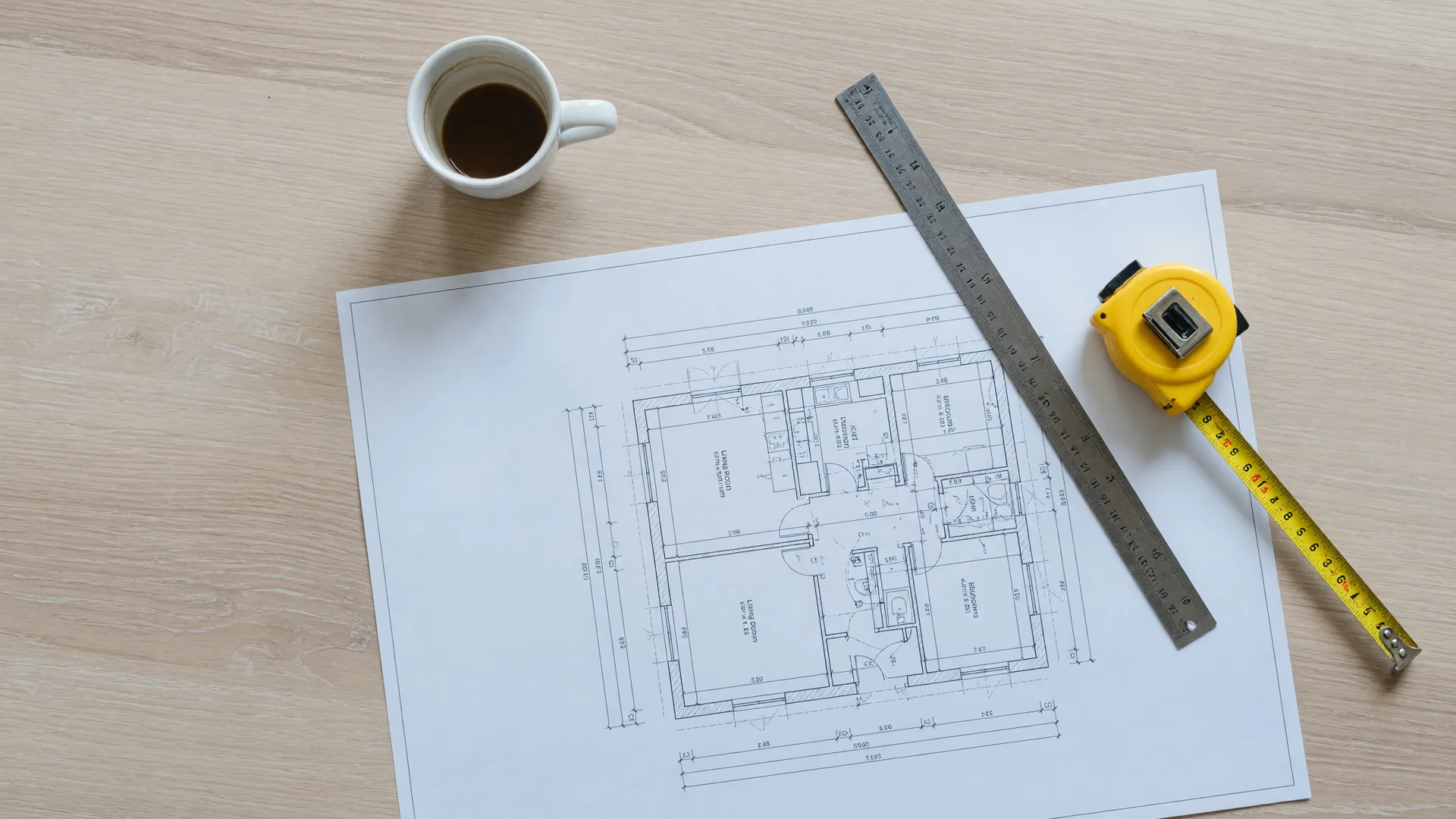
Price per square foot is the number buyers quote first and the number agents wave around second. It is also, for most houses in East Gwillimbury, one of the least reliable comparisons you can make. It works well in one narrow situation and poorly everywhere else, and knowing the difference will save you from both overpaying and underpricing. Here is the honest breakdown.
What the Number Actually Is
Price per square foot is the sale price divided by the square footage, usually the above-grade living area. It sounds like a clean unit of comparison, as if houses were sold by the litre. But a house is not a commodity. The same house can read at one rate on a measured plan and another on a builder's drawing, because nobody measures square footage exactly the same way, and the number ignores everything that makes one home different from another. The precision is an illusion, and the danger is treating the illusion as data.
Where It Genuinely Helps
There is one place the metric earns its keep: condos in the same building, where the units are the same product with the same amenities, and the only real variables are floor, view, and condition. There, price per square foot is a genuinely useful shorthand, because you are comparing similar versions of the same thing. That is mostly where the usefulness ends, and it is worth remembering every time someone applies the same math to detached houses.
Why It Falls Apart on Houses
Start with the land. Two detached homes can be identical above grade and sit on lots worth very different money, one on a quiet court and one beside a busy road, and price per square foot will pretend they are the same. Finished basements, which buyers pay real money for, barely register in the standard calculation. Renovations change everything: a renovated home sells at a different number than the identical layout down the street with 1980s finishes, and per square foot erases that difference. Add age, layout efficiency, and how close a pocket is to schools and amenities, and you have six real variables crushed into one misleading decimal.
The East Gwillimbury Version of the Problem
Here the metric breaks in two special ways. First, the countryside: a home on five acres near Mount Albert sells on the land and the lifestyle, not on the footprint of the house, and dividing the price by that footprint gives you a number with no meaning at all. Second, the villages: Holland Landing, Sharon, and Queensville each have their own buyer pools, lot sizes, and price points, so a rate that makes sense on one side of the town tells you nothing five minutes away. The East Gwillimbury page shows how different those pockets really are.
How Sellers Misuse the Number
The classic mistake is pricing with the calculator: the neighbour sold at a certain rate per square foot, mine is the same size, so mine is worth the same. That logic ignores condition, updates, and timing, and it is how homes launch above the market and sit. When a price has no comparable sales behind it, buyers feel it immediately, and the listing quietly loses its audience in the first weeks. That is the quiet way per-square-foot math produces a stale listing, and I break down the real reasons a listing sits if you want the full picture.
How Buyers Misuse the Number
Buyers run the mirror-image version: they reject a fairly priced home because its per-foot rate is higher than the dated house down the street, or they chase a low rate into a fixer-upper and spend the difference twice in upgrades. Either way, the metric overrides the actual comparison, which should be about the whole property: lot, condition, updates, layout, and how the price sits against what has really sold. The same trap appears in the very different question of what you paid versus what the house is worth today, which I explain in this article.
What to Use Instead
Comparable sales, adjusted honestly. The homes that have actually sold in the last few months, in the same pocket, with the same kind of lot and condition, are the evidence that sets a price, and none of that evidence fits in one division problem. I walk through the whole method in my article on how I price a home, and the same reasoning applies whether you are buying or selling. When someone across the table quotes a price per square foot, the right response is to ask which comparable sales it is based on, because a real answer always points back to sales, not arithmetic.
Price per square foot is a conversation starter, and that is all it should ever be. The whole conversation, the lot, the condition, the updates, the timing, and the sales that actually happened, is where the truth lives. A house is the most expensive thing most people buy, and it deserves a better measure than a spreadsheet shortcut.
Thanks, Lee :)