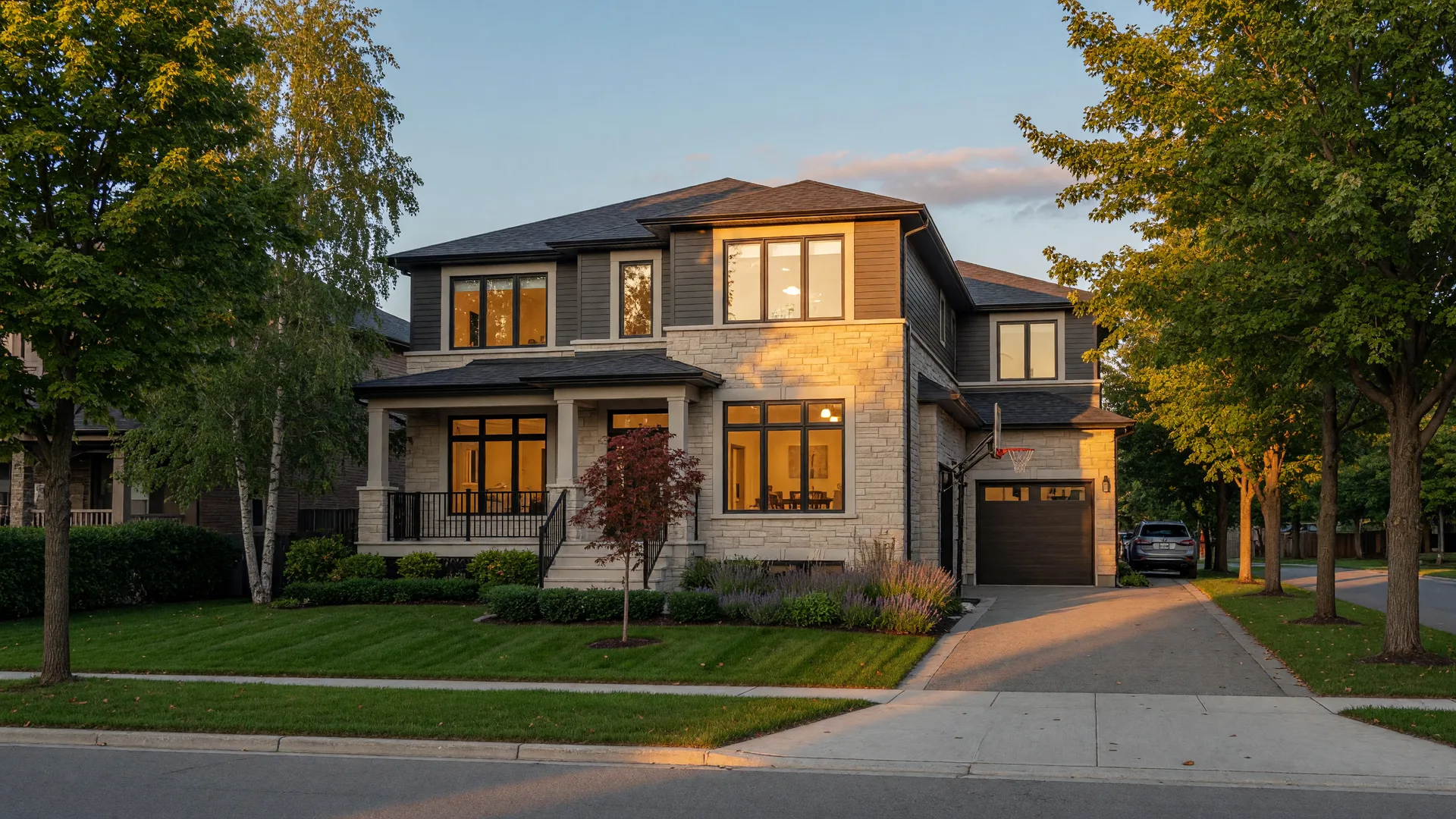
The phone call every seller hopes for can arrive all at once: two, three, sometimes more offers on your home at the same time. It feels like winning, and it is. But the way you handle that moment decides whether the sale actually closes and whether you leave money on the table or accept a deal that falls apart six weeks later. Here is what multiple offers really look like in East Gwillimbury, and what I tell sellers when the pile of offers lands on the kitchen table.
Why East Gwillimbury Sellers See Multiple Offers
In a fast market, a well-priced, well-presented home naturally draws competition. According to the most recent TRREB data through summer 2026, the typical East Gwillimbury home sells at about 112% of its asking price in 25 to 29 days, with inventory down roughly 14% year-over-year. When supply is tight and buyers are active, a home priced where the data says it should be, with photography and condition that do it justice, will almost always attract more than one buyer. The East Gwillimbury market page has the fuller picture on supply and demand in the town.
Multiple offers are often planned, not accidental. Some listings use an offer date: the home is presented for a set period, then all offers are reviewed at one announced time, often four to seven days after the listing goes live. That window gives every serious buyer a fair chance to view the home and put their best offer forward, and it is the most common way homes in this town sell when demand is strong.
The Highest Price Is Not Always the Best Offer
This is the sentence sellers hear all the time and forget the moment a big number appears: the highest offer is not automatically the best one. What matters is the whole structure of the deal, and I walk sellers through every line. The deposit and how the buyer plans to pay it. The financing condition, how long it runs, and whether the buyer is pre-approved by an actual lender or just pre-qualified. The home inspection condition, and what it allows the buyer to do if issues surface. The closing date, and whether it lines up with your own move. The size of the down payment, which tells you how much room the buyer really has.
A clean offer with strong financing and a realistic closing date at $10,000 less can easily be worth more than a sky-high number that depends on the buyer selling their own home first. I have seen sellers fixate on one figure and miss that the second offer had no conditions at all and could close in 30 days. The number is the headline. The conditions are the story. Also be aware of escalation clauses built into some offers: a buyer's agent can include a clause that automatically raises their price by a set amount above any competing offer, up to a stated ceiling. It is a real strategy in competitive situations, and it deserves a clear conversation, not a silent pass.
What I Want Sellers to Know About Negotiating
When the offers come in, my job is to give you the complete picture and let you decide. I lay out each offer side by side: price, conditions, deposit, closing date, and the strength of the buyer behind it. Then we talk it through. I will give you my honest read on which offers are likely to actually close and which ones have room to fall apart, and I will tell you if I think countering changes the picture. I will never push you to take a deal you are not comfortable with, and I will never let you take one on a number alone.
A multiple-offer situation is also a negotiation in motion, not a finished result. Most sellers counter, and a counter can be about terms, not just price. If the strongest offer has a closing date that does not work, ask what happens if it shifts. If the inspection condition worries you, ask for a shorter window or a capped inspection where the buyer cannot renegotiate below a set amount. In a competitive situation buyers usually want the deal to work as much as you do. How that back and forth is managed, by whom, and how quickly, is where experience shows. If you are weighing an offer you are unsure about, my selling process page explains how I manage exactly this stage, and the seller FAQ answers the common what-if questions that come up around offers and conditions.
When There Is No Offer Date
Not every multiple-offer situation is planned. Sometimes a home has sat quietly for weeks and then two buyers walk in the same weekend, each unaware of the other. In that case you still owe it to yourself to see both offers fully before you decide, and to tell each buyer's agent that other interest exists in a way that is honest and professional. I have also seen eager buyers present an early offer before a planned offer date, sometimes with a tight deadline, hoping to skip the competition. Whether to accept early interest, hold the date, or counter is a strategy call, and it depends on your timeline and the level of interest. There is no one right answer that fits every listing.
The Takeaway
Multiple offers are the reward for getting the price, condition and presentation right. Handle them well and you get a better sale. Mishandle them and you can lose the very buyer who wanted your home most. Look past the headline number, understand what each offer is actually made of, and get advice from someone who has managed plenty of offer nights before. With 19 years in this business and more homes sold in East Gwillimbury than any other Realtor over the past 10 years, I have been at that table more times than I can count, and my job is to make sure you walk away happy with the outcome, not just the number.
Thanks, Lee :)